whatsapp, telegram +66-957-269-990
- info@gokrabitours.com


Which Krabi night market to choose, what to eat and buy there, how to get to Krabi Town from Ao Nang in the evening, and how to bargain without offending anyone.
It is your third evening in Ao Nang, the beach-road restaurants are starting to look the same, and someone at the hotel says the real food is in Krabi Town. They are right. A Krabi night market is where you eat like the people who live here: grilled squid on a stick, roti from a hot plate, a bag of mango, and nobody in a hurry.
The catch is that the markets are spread out, some run only on certain nights, and Ao Nang is not next door to Krabi Town. This guide sorts out which market to go to, what to eat and buy, how to get there and back, and how to haggle without making anyone uncomfortable.
For the best atmosphere, go to the Krabi Town Walking Street on a weekend evening; for an easy local dinner any night, go to the riverside market at Chao Fah in Krabi Town; for convenience, stay in Ao Nang. The Walking Street is usually held only on weekend evenings, so plan your market night around it if you can.
Most visitors stay in Ao Nang and never see Krabi Town except from a minivan window on the way to the pier. That is a pity. Krabi Town is a working provincial town, and its markets are full of Thai families, students and office workers buying dinner, not just tourists.
Ao Nang has markets too, and they are fine. But they feel built for visitors: more souvenir stalls, more menus in English, prices a little higher. If you only have one evening, take the trip into town.
| Market | Where | When (check locally) | Best for | Skip if |
|---|---|---|---|---|
| Krabi Town Walking Street | Central Krabi Town | Usually weekend evenings | Atmosphere, street food, live music, small crafts | You hate crowds |
| Chao Fah riverside market | Krabi Town, by the river and the pier | Most evenings | A relaxed, cheap local dinner | You want shopping |
| Ao Nang night markets | Along and near the main road in Ao Nang | Most evenings | A quick dinner near the hotel | You want something local |
Opening days and hours change with the season and with local events, so ask at your hotel on the day. In the low season some stalls simply do not open on quiet nights.
Yes, if you are in Krabi on a weekend. The Walking Street is the liveliest night market in the area, with the widest choice of food and a stage where local bands or school dance groups often perform. Go early in the evening, before the crowd peaks, to walk the whole street comfortably.
The street is closed to traffic and filled with stalls on both sides. You get food at one end, clothes and small crafts in the middle, and usually plastic tables in front of the stage where families sit and eat. It is loud, warm and very Thai.
What makes it worth the drive is the mix. You will see Thai Muslim stalls next to Chinese-Thai sweets, grandmothers selling home-made curries in bags, and teenagers selling bubble tea. Krabi has a large Muslim community, and the food reflects it.
The honest downsides: it gets crowded, it is hot even after dark, and there are few places to sit if you arrive late. If you are with small children, go early and agree on a meeting point near the stage in case you lose each other.
My advice is to treat it as dinner, not shopping. Walk the whole street once without buying anything, then go back and eat what caught your eye. Sharing many small plates is the way to do it.
It is a relaxed food market by the river near Chao Fah pier in Krabi Town, where you choose a stall, sit at a plastic table and eat looking at the water. It is the market for a calm, cheap dinner, not for shopping.

The setting is the best part. The Krabi River is wide here, with mangroves on the far bank and limestone hills on the horizon. Come just before sunset, find a table, and you get the view and the first fresh food of the evening.
Expect seafood grilled to order, Thai stir-fries, noodle soups, som tam and fruit shakes. The stalls usually show their prices or have a menu with photos, and many have a few words of English. Pointing works everywhere.
Chao Fah is also easier than the Walking Street on a weekday, because it does not depend on the weekend. If your Krabi Town evening falls on a Tuesday, this is where to go.
A small tip: check what is fresh before you order seafood, and ask the price of anything sold by weight before it goes on the grill. That one question avoids most misunderstandings.
They are good for a quick, easy dinner a short walk from your hotel, but they are more touristy than the markets in Krabi Town. Their big advantage is that you do not need transport to get there and back.
Ao Nang has a few small night markets and clusters of food stalls along and near the main road. You will find pad thai, grilled skewers, roti, fruit shakes, burgers for those who need them, and rows of stalls selling T-shirts, beachwear and fridge magnets.
The food is fine and fresh, and prices are still cheap by European standards, though higher than in town. The souvenirs are the same everywhere in Ao Nang, so do not rush to buy on the first night.
Where Ao Nang markets really win is on the evenings when you are tired. After a full day on the water, nobody wants a drive into town. Walk down, eat two things on sticks and a bag of fruit, and be in bed early.
If you are staying around Nopparat Thara or Klong Muang, ask your hotel which market is closest. Small evening markets pop up in different spots, and they change more often than guidebooks admit.
Eat what Southern Thailand does well: grilled seafood, roti, southern curries and fresh fruit. Look for the stall with the longest line of Thai customers; it is the most reliable test.
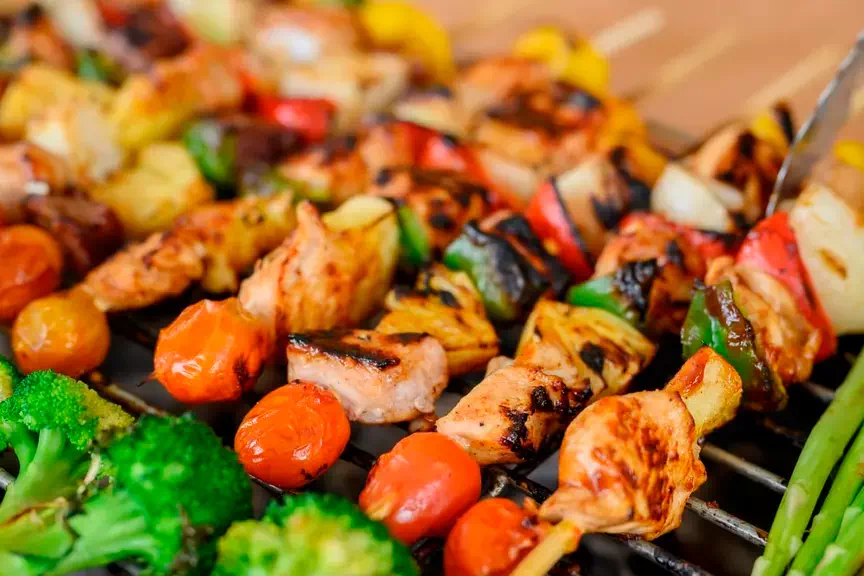
Here is a short list for your first visit:
Spice is the main trap. Southern Thai food is famous for being hot, and "a little spicy" means different things to the cook and to you. Start mild and add chili from the table.
On hygiene, use common sense: busy stalls turn food over fast, cooked-to-order is safer than food that has been sitting out, and ice in drinks from established stalls is generally made from clean water. Bring wet wipes, as there is rarely a place to wash your hands.
Buy light, local things: cotton clothes, small crafts, batik, dried snacks and spices. Food prices are fixed; bargaining is only for clothes and souvenirs, and only gently.
Batik from Krabi and the nearby provinces makes a good present: sarongs, shirts and small wall pieces. Elephant trousers, linen shirts and woven bags are everywhere and cheap. Dried shrimp, chili pastes and cashew nuts are easy to pack and a good taste of the south to take home.
Skip anything that claims to be made from protected animals, shells or coral. It is often illegal to take out of the country, and it is never worth it.
How to bargain without causing offence:
Raising your voice or showing frustration is the one thing that does not work in Thailand. Keep it light, laugh, and you will often get a better price than with a hard negotiation.
Bring cash in small notes. Some stalls accept QR payments through Thai banking apps, but many do not take foreign cards. Big notes early in the evening can be a problem for a stall that has just opened.
From Ao Nang, the easiest way is a taxi or a ride booked through a ride-hailing app, both ways. Arrange the ride back before you start eating, because evening transport in Krabi Town can be thin.
Ao Nang and Krabi Town are a short drive apart. The local songthaews (pickup trucks with benches) run between them during the day and are cheap, but they become rare in the evening and their last runs are hard to predict. Do not rely on them for the way back.
A taxi is simple: agree the price before you get in, or ask your hotel to book one. Some drivers will wait for you or come back at an agreed time, which is the most relaxed option for families.
From Railay it is harder. Railay is reached only by boat, and longtails back from Ao Nang or Krabi Town in the evening depend on the tide, the weather and the number of passengers. Check the last boat on the day. If you stay in Railay, the Ao Nang markets are the more realistic choice.
Scooters are tempting, but the roads around Krabi at night are dark in places and drivers can be fast. If you have not ridden in Thailand before, a market night is not the moment to start.
The best market night comes after a half-day activity, not after a long boat day. Morning tours leave you time to rest and go out; afternoon tours give you a market night the next day.

Here is how I would combine them. The 4 Islands Tour by longtail runs from 08:30 to 15:30, from ฿1290, which leaves time for a shower and a market dinner in town. The Bor Thor kayaking tour, from ฿1790, gives you a day in the mangroves and caves, and you will still have energy for Ao Nang's stalls in the evening.
The 7 Islands Sunset Tour runs from 13:30 to 19:30, from ฿1590, with a BBQ dinner and swimming with bioluminescent plankton, so it replaces a market night rather than coming before one. Book it for a different evening.
For people who like an early start and a full day, the 4 Islands longtail trip is the classic; for nature lovers who prefer calm water, Bor Thor kayaking; for a romantic evening on the water, the sunset tour.
For a full overview of the boat days, read the Krabi island hopping guide.
Keep it easy, and you will want to go back a second time.
No. It is usually held only on weekend evenings, while the Chao Fah riverside market and the Ao Nang stalls open most nights. Days can change with the season and local events, so check with your hotel before you go.
For most people, yes. Choose busy stalls where food is cooked to order in front of you, and avoid things that have been sitting in the sun. If your stomach is sensitive, start with grilled and fried food and fresh fruit.
Rarely. Most stalls want cash, and some accept QR payments through Thai banking apps. Bring small notes so stall owners can give change easily.
Yes, with a little care. Roti, fruit, corn, sticky rice desserts and vegetable stir-fries are easy to find. Say "gin jay" for vegan-style food, and check for fish sauce and shrimp paste, which are in many Thai dishes.
Yes, children usually love them for the sweets, fruit shakes and stage shows. Go early, before it gets crowded, and agree on a meeting point in case you get separated.
Not at all. Paying the asked price is always fine, and many sellers expect tourists not to bargain. If you do bargain, keep it friendly and short.
Light clothes, comfortable sandals, and something to cover your shoulders if you plan to stop at a mosque or temple on the way. Krabi is a fairly conservative province outside the beach areas, so beachwear in Krabi Town looks out of place.
Hotel pickup, insurance and a licensed local operator. Ask us anything on WhatsApp before you book.
Updated 12 November 2026.