whatsapp, telegram +66-957-269-990
- info@gokrabitours.com


A practical guide to Krabi street food in Ao Nang and Krabi Town: the southern dishes worth hunting down, how to order without getting burned by chilli, and simple rules for eating safely and halal.
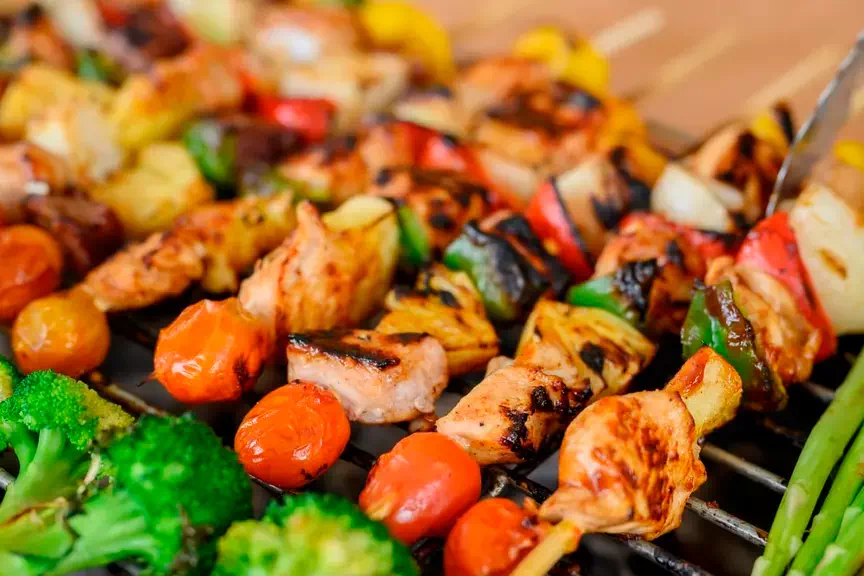
It is seven in the evening in Krabi Town, the heat has finally broken, and the smell of charcoal and lemongrass drifts from the riverside. A woman flips roti on a hot plate, a man fans chicken over coals, and you are standing there trying to decide where to start. Krabi street food is one of the best and cheapest parts of a trip here, as long as you know what to point at and how to ask for it.
This guide covers what to eat, where the good stalls cluster, how spicy southern food really is, and how to keep your stomach happy. No restaurant lists, no sponsored picks, just the things I tell friends when they land.
Krabi street food is southern Thai food, and southern food is sharper, more sour and usually hotter than the dishes you meet in Bangkok or Chiang Mai. It also carries a strong Muslim influence, which means roti, biryani style rice and halal grills sit right next to classic Thai stalls.
The south cooks with fresh turmeric, which gives many curries a yellow colour, plus shrimp paste, sour tamarind and a lot of bird's eye chilli. Coconut milk shows up less than you might expect. Instead, many southern curries are thin, sour and fierce, built to go with plain rice.
Seafood is the other big difference. Krabi sits on the Andaman Sea, and fish, squid, prawns and crab are everyday food, not a special treat. You will see fish cooked in sour curry for breakfast, grilled squid on sticks in the afternoon and whole fish steamed with lime at night.
The single most useful thing to know is that "southern style" usually means hotter than you expect. A dish that sounds mild in English can arrive with a heat level that makes locals sweat too. Start gently and work up.
Start with roti, a grilled chicken and sticky rice combo, a plate of khao mok gai and one southern curry over rice. Those four give you a good spread of what Krabi eats, from sweet and safe to properly spicy.
The table below is my short list. Spice levels are what you usually get if you do not ask for anything special.
| Dish | What it is | Usual spice | Good for |
|---|---|---|---|
| Roti | Thin fried flatbread, sweet with banana, egg and condensed milk, or savoury with curry | None (sweet) or mild | Late night snack, kids |
| Khao mok gai | Yellow rice cooked with spices and chicken, served with a sweet chilli sauce | Mild | Halal lunch, first day nerves |
| Gai yang with khao niao | Grilled marinated chicken with sticky rice | Mild, dip is hot | Easy dinner on the go |
| Satay | Small skewers of chicken or beef with peanut sauce and cucumber | Mild | Snacking while you walk |
| Gaeng som or gaeng lueang | Sour yellow curry, usually with fish and vegetables | Very hot | Spice lovers |
| Khua kling | Dry fried minced meat with curry paste and kaffir lime leaves | Very hot | Rice lovers, beer drinkers |
| Gaeng tai pla | Pungent southern curry made with fermented fish, vegetables and herbs | Very hot | Adventurous eaters only |
| Kanom jeen | Fresh rice noodles with a choice of curry and a basket of free raw vegetables | Medium to hot | Local breakfast |
| Moo ping | Sweet grilled pork skewers | None | Breakfast with sticky rice |
| Som tam | Green papaya salad pounded with lime, chilli and fish sauce | Hot by default | Light lunch |
| Grilled squid and fish balls | Seafood on sticks, brushed with sauce over charcoal | Mild, sauce is hot | Evening market grazing |
| Mango sticky rice | Sweet sticky rice with coconut cream and ripe mango | None | Dessert, best in mango season |
If you only have one adventurous meal in you, make it kanom jeen. You choose your curry from a row of pots, the noodles are soft and cool, and the pile of fresh herbs and pickles on the table is free to take. It is how a lot of Krabi people start their day.
Skip pad thai on your first nights. It is everywhere in Ao Nang, it is fine, but it is not what Krabi does best, and you can eat it anywhere in the world.
For the most local food at the lowest prices, go to Krabi Town, especially around the river and the evening markets. Ao Nang has plenty of stalls too, but more of them cook for tourists, and the flavours are often toned down.
In Ao Nang, street carts appear along the main beach road and the side streets as the sun goes down. You get roti, grilled corn, fruit shakes, skewers and simple rice dishes. It is convenient after a beach day, but walk a few streets back from the seafront and you usually find more Thai customers and better value.

Krabi Town is where I send people who care about food. Around the riverfront and the pier area there are evening stalls with curries in trays, grilled fish and desserts. On weekend evenings the Walking Street market fills a few blocks with food and live music. Days and hours can change, so check locally before you make the trip.
Morning markets are the secret most visitors miss. From early in the day, Krabi Town's markets sell kanom jeen, sticky rice with grilled pork, deep fried dough sticks and Thai coffee. The best southern curries are often gone by late morning, so go early.
The night markets themselves deserve a whole article, and they will get one. For now, the simple rule is: Ao Nang for convenience, Krabi Town for flavour.
Point, smile and say the name of the dish if you know it. Most stalls cook one or two things, so ordering is simpler than it looks, and many vendors in tourist areas have a few words of English or a picture menu.
A few Thai words make it much easier. The cooks appreciate the effort, and it often gets you a friendlier price and a better plate.
Pay when you get the food at most carts, or when you finish at stalls with tables. Have small notes and coins ready. Handing over a large note for a plate of noodles in the evening rush is the fastest way to annoy everyone in the queue.
At seafood stalls, you usually pick the fish or prawns from ice and they are priced by weight. Always ask the price before they cook it, not after. It avoids the one unpleasant surprise that happens in tourist areas.
Condiments on the table are part of the meal. The usual set is sugar, dried chilli flakes, fish sauce with chilli and vinegar with chilli. Thais adjust every bowl of noodles with these, and you should too, gently.
Southern Thai food is the spiciest regional cuisine in the country, and dishes like khua kling and gaeng tai pla can overwhelm even people who eat chilli at home. Ask for less spice, eat with plain rice and keep something sweet nearby.
Heat builds over a meal, so the first bite is a poor guide. If your lips are tingling halfway through a curry, the next spoonfuls will be worse, not better. Mix the curry with more rice than you think you need.
Water does little to calm the burn. Sticky rice, sugar, a fresh coconut, cucumber slices or a cold Thai iced tea with milk work much better. That is why curry stalls often have a basket of raw vegetables and herbs on the table.
"Mai phet" is a request, not a guarantee. In a curry stall, the curry is cooked in the morning and cannot be changed. Only dishes cooked to order, like stir fries and papaya salad, can be made mild. For pre-made curries, ask which tray is the least spicy and the vendor will usually point you to a coconut based one.
For children and anyone who simply does not do chilli, the safe list is easy: roti, khao mok gai without the sauce, grilled chicken, satay, moo ping with sticky rice, fried rice and fruit.
Street food in Krabi is generally safe, and many travellers eat at stalls every day without any trouble. The risk comes less from the stall itself and more from food that has been sitting warm, raw shellfish and your own hands after a day at the beach.
My rules are simple and they have worked for years:
Your biggest risk is usually the heat, not the food. Eating heavy, spicy food after a long day in the sun with little water is how many "food poisoning" stories actually start. Drink plenty and give your stomach a day or two to adjust before you go for the fiercest curries.
If you do get an upset stomach, pharmacies in Ao Nang and Krabi Town are easy to find and the staff are used to helping tourists. Rehydration salts and plain rice soup (khao tom or jok) will get most people back on their feet.
Halal food is easy to find in Krabi because a large part of the local population is Muslim. Look for stalls with a green halal sign, Arabic script or women vendors wearing headscarves, and you will rarely be far from one.

Roti stalls are almost always run by Muslim families. Khao mok gai, beef or chicken satay, massaman curry and many seafood stalls are halal as well. In Krabi Town in particular, whole streets of food stalls are halal.
Pork is the main thing to watch. Moo ping, moo daeng (red roast pork) and some sausages and noodle soups use pork, and pork stalls are clearly not halal. If you are unsure, ask "mee moo mai?" (is there pork?) and the vendor will tell you straight away.
For travellers on tours, halal matters too. The James Bond Island longtail tour from Krabi includes lunch in Panyee Village, a Muslim fishing community built on stilts over Phang Nga Bay. For other tours, ask about dietary needs when you send the booking request so the operator can prepare.
Try mango sticky rice, fresh coconut, roti with banana, and whatever fruit is in season at the market. Fruit in Krabi is cheap, ripe and often better than anything you have tasted at home.
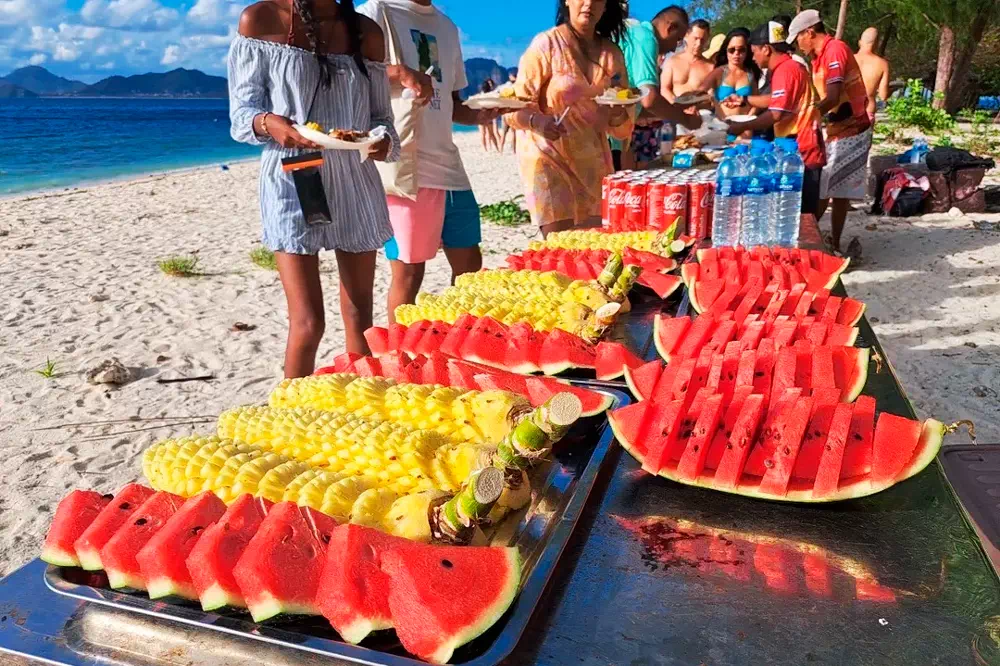
Fruit carts sell cut pineapple, watermelon, papaya and green mango in plastic bags, often with a little packet of salt, sugar and chilli to dip. Try the chilli salt at least once. It sounds strange and works perfectly with sour fruit.
Mangosteen, rambutan, durian and longan appear in season, mostly around the hot months. Durian has a strong smell and many hotels ban it in rooms, so eat it at the market, not in your bag.
Desserts are a whole world of their own. Look for khanom krok, small coconut pancakes cooked in a dimpled pan, and colourful rice flour sweets wrapped in banana leaves. Thai iced tea and fruit shakes are made to order, so ask for less sugar ("wan noi") if you prefer.
On island days you do not need to hunt for food, because the island day tours sold on gokrabitours.com include a meal, fresh fruit and soft drinks. Plan street food for the evening and keep the morning light before a boat ride.

A greasy breakfast and a bumpy speedboat are a bad mix. Fruit, a little sticky rice or plain toast is the smarter start. Save the khua kling for after you are back on land.
The sunset trip is the one that feels most like a food outing. The 7 Islands Sunset Tour runs from 13:30 to 19:30 and ends with a beach BBQ dinner, then swimming with glowing plankton. If you want to know what the evening is really like, read the honest review of the 7 Islands sunset tour, plankton and BBQ dinner.
For a classic day, the 4 Islands longtail tour starts at ฿1290 and includes lunch, fresh fruit and soft drinks. The national park fee is paid separately on the day.
The sunset tour suits food lovers who want dinner on the beach, the 4 Islands longtail suits a first island day on a budget, and the James Bond Island longtail suits anyone curious about the Muslim fishing village and its seafood lunch.
A simple plan that works: island tour by day, a shower and a rest, then a slow walk through the evening stalls. You can browse every trip on the Go Krabi Tours home page and send a booking request or a WhatsApp message from any tour page.
Last tip: eat little and often. A skewer here, a roti there, a bag of mango on the walk home. That is how Krabi people eat in the evening, and it is the best way to try ten dishes in one night without feeling heavy.
Street food is cheap in Krabi, and a few dishes plus a drink cost far less than a sit down restaurant meal. Prices are a little higher in Ao Nang than in Krabi Town. Bring small notes and check the price on the sign or ask before ordering.
Not at all. Cooks hear "mai phet" from Thai customers too, especially families with children. Just say it when you order, because pre-cooked curries cannot be changed later.
Yes, but it takes some care, because fish sauce and shrimp paste go into many dishes. Say "gin jay" (I eat vegetarian) or "mai sai nuea sat" (no meat). Roti, fruit, sticky rice with mango and vegetable fried rice are the easiest options.
Most carts and stalls work every day, but some take a day off and some markets run only on certain evenings. Rain can also keep carts away. Ask at your hotel which markets are on during your stay.
Usually yes, if it is cooked to order on a hot grill or in a wok. Skip seafood that has been sitting cooked in the heat, and go easy on raw shellfish. Always agree the price of seafood sold by weight before it is cooked.
Factory ice, the cylinder shaped kind with a hole in the middle, is used everywhere and is generally fine. Tap water is not for drinking, so stick to sealed bottled water. If your stomach is sensitive, skip ice for the first day or two.
Keep it gentle: grilled chicken with sticky rice, a few satay skewers, a roti with banana and a fruit shake. Your stomach gets used to new food and heat over a couple of days. Try the southern curries once you have settled in.
Hotel pickup, insurance and a licensed local operator. Ask us anything on WhatsApp before you book.
Updated 6 November 2026.