whatsapp, telegram +66-957-269-990
- info@gokrabitours.com


An honest look at rain, sea conditions and which trips usually run in September, from someone who would still pick this month for the right kind of holiday. You also get a simple plan for wet days and the trips worth skipping.

The longtail drivers on Ao Nang beach are drinking coffee under a tarp, the sky over Railay has gone the colour of wet slate, and by ten o'clock the sun is out again. That is a normal morning here, and it is why Krabi in September weather is so hard to judge from a phone app that shows a rain cloud on every single day.
I would not send a first-timer who dreams of flat turquoise water here this month. I would happily send someone who likes green hills, empty beaches and a flexible plan.
Expect warm air, heavy cloud and rain on most days. September and October are usually the wettest stretch of the year on the Andaman coast, because the southwest monsoon pushes straight at this shore.
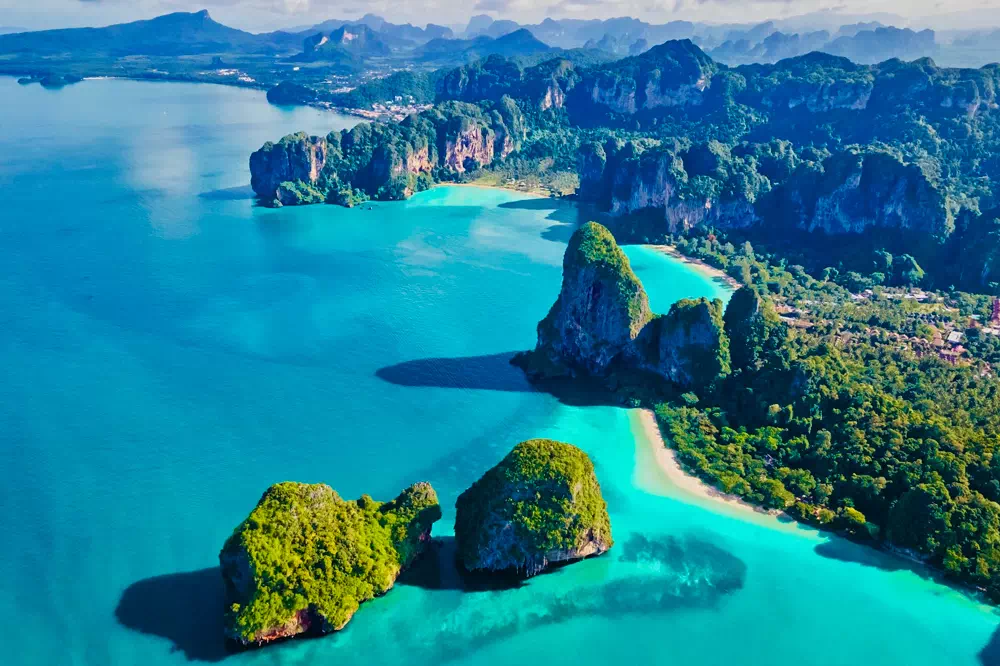
The pattern matters more than the monthly total: a wet day here rarely means rain from dawn to dark. A common September day has a heavy burst or two, then a few bright, steamy hours. Some days do rain from morning to night, usually when a low pressure system sits over the Andaman Sea, and you can get two or three of those in a row.
It stays warm whatever the sky does, around 30°C on a good afternoon and a little cooler during rain. The sea is warm too, so getting wet is never a cold experience. The real discomfort is humidity: clothes dry slowly, shoes stay damp and a short walk leaves you soaked in sweat.
For the wider picture across the year, the month by month guide to weather and sea in Krabi shows how September compares. If you can move your dates by a couple of months, that page will help you decide whether it is worth doing.
The sea is the part of September that changes your holiday. Waves come in from the open southwest, so exposed crossings get rough and the beaches facing that way can have strong surf and currents.

Boat trips are decided close to the day, not weeks ahead. The tour terms allow the program to change because of weather without prior notice, and in September that is a real possibility. A stop may be swapped, a beach may be seen from the boat, or a trip may not leave at all.
Here is how I would rank the main trips this month. Prices are the adult "from" prices, and the outlook is my own view, not a promise.
| Trip | From | September outlook | My advice |
|---|---|---|---|
| James Bond Island by longtail | ฿1890 | Usually the most reliable sea day, the bay is sheltered | First choice |
| 4 Islands by longtail | ฿1290 | Short distance, but swell can make stops difficult | Book on a calm spell |
| 4 Islands by speedboat | ฿1490 | Quicker, but you feel every wave | Longtail feels less harsh in a chop |
| Hong Islands by longtail | ฿1490 | Fine on quiet days, wet and slow on bad ones | Keep a spare day |
| 7 Islands sunset tour | ฿1590 | Sunset is often hidden by cloud | Go for the evening swim, not the sky |
| Phi Phi by speedboat | ฿1890 | Long open crossing, most likely to be rough or changed | Skip unless the forecast is good |
| Similan Islands | ฿3090 | National park closed for the monsoon | Not possible this month |
The 4 Islands day is the closest call. The stops are near the coast, and you can see Poda from Ao Nang on a clear day, so it feels as if it should be easy. But the landing beaches can take swell directly, the Tub Island sandbar depends on the tide, and snorkelling in stirred-up water is not what the photos promised. On a settled morning at ฿1290 it is still good value, so I would book it only when the sea looks kind.
The sunset tour is a similar gamble with a different prize. Thick cloud often hides the sun itself, yet the BBQ dinner and the plankton swim after dark don't need a clear sky. If you go, go for the evening on the water and treat any colour in the sky as a bonus.
People prone to seasickness should take the warning seriously. Take a tablet before you board rather than after you start to feel bad, sit near the back of the boat and look at the horizon. If you already know the sea makes you ill, stick to the sheltered and inland trips below.
The Similan Islands close every year for the monsoon, so forget them in September. The national park normally shuts for the rough months and reopens around mid-October, partly for safety and partly to rest the reefs. Check the exact date if you are arriving close to the reopening.
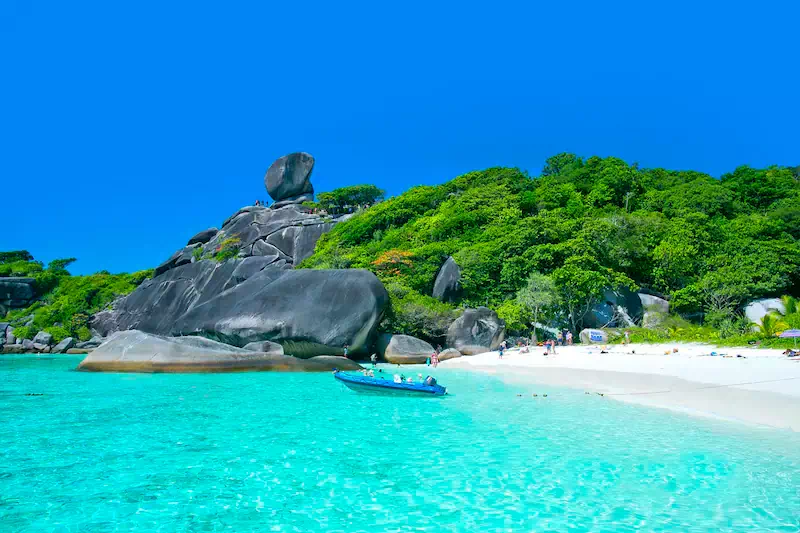
Phi Phi is open, but it is the trip I would be most careful with. The route crosses open water, and that is exactly where the monsoon swell is at its strongest. On a calm day it can still be a good outing and the islands feel far less crowded. On a rough day it is a long, hard ride that many people regret.
There is one more catch. Maya Bay has been closed in recent years during part of the low season so the bay can recover, and September has fallen inside that closure, so a Phi Phi day may not include it. Read the current rules for visiting Maya Bay from Krabi and ask before you book if that beach is the main reason you are going.
My honest advice: if Phi Phi is the dream of your trip, come between November and April instead. A rainy month is a bad time to spend your one day there.
Phang Nga Bay and the Bor Thor mangroves are the two best water days in September. Both sit behind land, so they are far less exposed to the swell than the open islands.
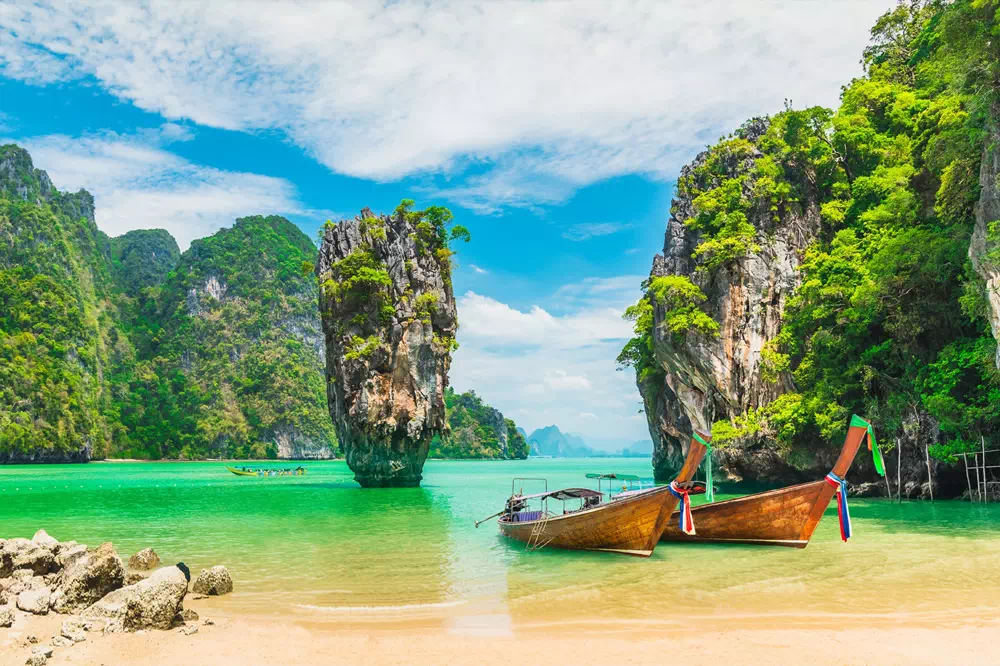
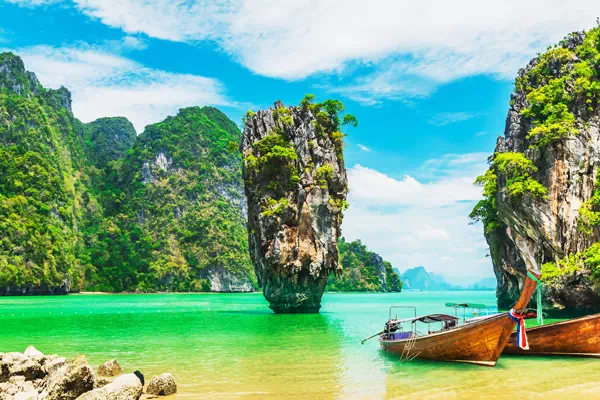
The bay is my first pick. Green limestone towers in low cloud look more dramatic than they do under a flat blue sky, and the Muslim fishing village of Ko Panyee and the kayaking in the mangroves work fine in light rain. In September I would choose the longtail tour from ฿1890 unless you are short on time, because the speedboat version from ฿2290 gains little when you are not racing other boats to the sights.
If you are still torn, the comparison of James Bond Island by longtail or speedboat goes through the differences stop by stop.
Ban Bor Thor is the other good answer, a seven hour kayaking day from ฿1790 through mangrove channels and sea caves. Paddling in warm rain under the trees is actually pleasant, and a cave doesn't care what the sky is doing. Water may be brown rather than clear after heavy rain, so treat it as a nature trip and not a swimming trip.
Those two trips suit most people who want one good day on the water this month, and the jungle tour is the easy pick for the day the sea looks wrong:
Inland Krabi is at its best in the rainy months: the forest is thick and bright green, and rivers and streams are full. Three trips cover a bad-sea day well, and none of them needs a boat.

Rock climbing at Railay from ฿1490 is more of a gamble. Wet limestone is slippery and Railay is reached only by boat, so a stormy day can spoil both parts of the plan. Overhanging walls do stay drier, and the instructor will know what is climbable, but I would not make it the one thing you came for.
Tiger Cave's long stair climb is a good dry-spell morning and it is part of the jungle tour above. Take the stairs early and slowly: wet steps and the heat are a tiring combination.
You get space. September is firmly low season, so popular viewpoints, beaches and restaurants feel far calmer than they do in January. A photo at a famous spot takes a minute rather than a queue, and you can usually get a table without planning ahead.

Hotels often drop their rates for low season, so you may be able to afford a better place than you could at Christmas. It is worth asking directly, and looking at a room with a good balcony: you will spend more time watching the rain than you think, and it is a fine way to spend an hour.
The downsides are real, though. Some small beach bars and shops close until the season returns, especially in quieter corners, so check before you travel far for one place. Mosquitoes love the wet months, the sand can be littered with what the waves throw up, and the sea on exposed beaches may be too rough or murky for a relaxed swim.
So who should choose September? Couples or friends on a longer trip who like rain, food, massages and day trips will have a good time. Families set on easy beach days, snorkellers who want clear water and anyone here for just three or four days should choose another month.
Keep the plan loose, and give the sea trip the first good day instead of a fixed date. A trip of a week or more gives you enough room to wait for a calm spell.
On the boat tours, hotel transfer, lunch, soft drinks, fruit, an English speaking guide and accident insurance are already in the price. The national park fee is paid separately on the island trips, so keep some cash with you.
If you are not sure which day trip fits the weather that week, send a message on WhatsApp before you commit, or use the booking request on any tour page. Tell us your dates and how you feel about waves, and you will get a straight answer.
It is a poor month for classic beach and island days, but not a bad month overall. You can expect rain and rough open sea, along with fewer people and very green scenery. It works best if you have a week or more and don't mind changing your plans.
Usually not, although it happens. Many days have one or two heavy bursts with dry hours in between. A few days in a row of nonstop rain can also happen when a weather system sits over the Andaman Sea.
Yes on calm days, but be careful. Beaches exposed to the open sea can have strong currents and surf, and the water is often cloudy after rain. Follow the flags and the advice of locals, and do not swim alone in rough conditions.
On a calm day, yes, and it feels much quieter than in high season. Railay is reached only by boat, so the crossing can be wet and uncomfortable when the sea is up, and boats may not run in bad weather. Go on a settled day and keep your bags in a waterproof cover.
It is usually disappointing compared with the dry season, because waves and runoff reduce visibility. You may still see fish around the islands on a calm day. If snorkelling is the main reason for your trip, come between November and April instead.
Book one or two days ahead instead of weeks ahead, so you can watch the forecast. Low season means you rarely need to rush for a seat. Keep an extra day free after any sea trip in case it changes.
Bring a light rain jacket, quick-drying clothes, a dry bag and sandals with good grip. Add insect repellent and sunblock, since mosquitoes are active and the sun still burns through cloud. A small umbrella is useful in town, though not on a boat.
Hotel pickup, insurance and a licensed local operator. Ask us anything on WhatsApp before you book.
Updated 25 November 2026.